
LET’S FLY SAFELY
AERIAL SAFETY POLICIES
At GravityWorks Circus, the safety of our students is our highest priority. By adhering to these policies, we aim to minimize any risks associated with our school whether it be at our studio or personal aerial equipment. We believe that a safe, structured, and supervised learning environment is essential for the effective and enjoyable practice of aerial arts.
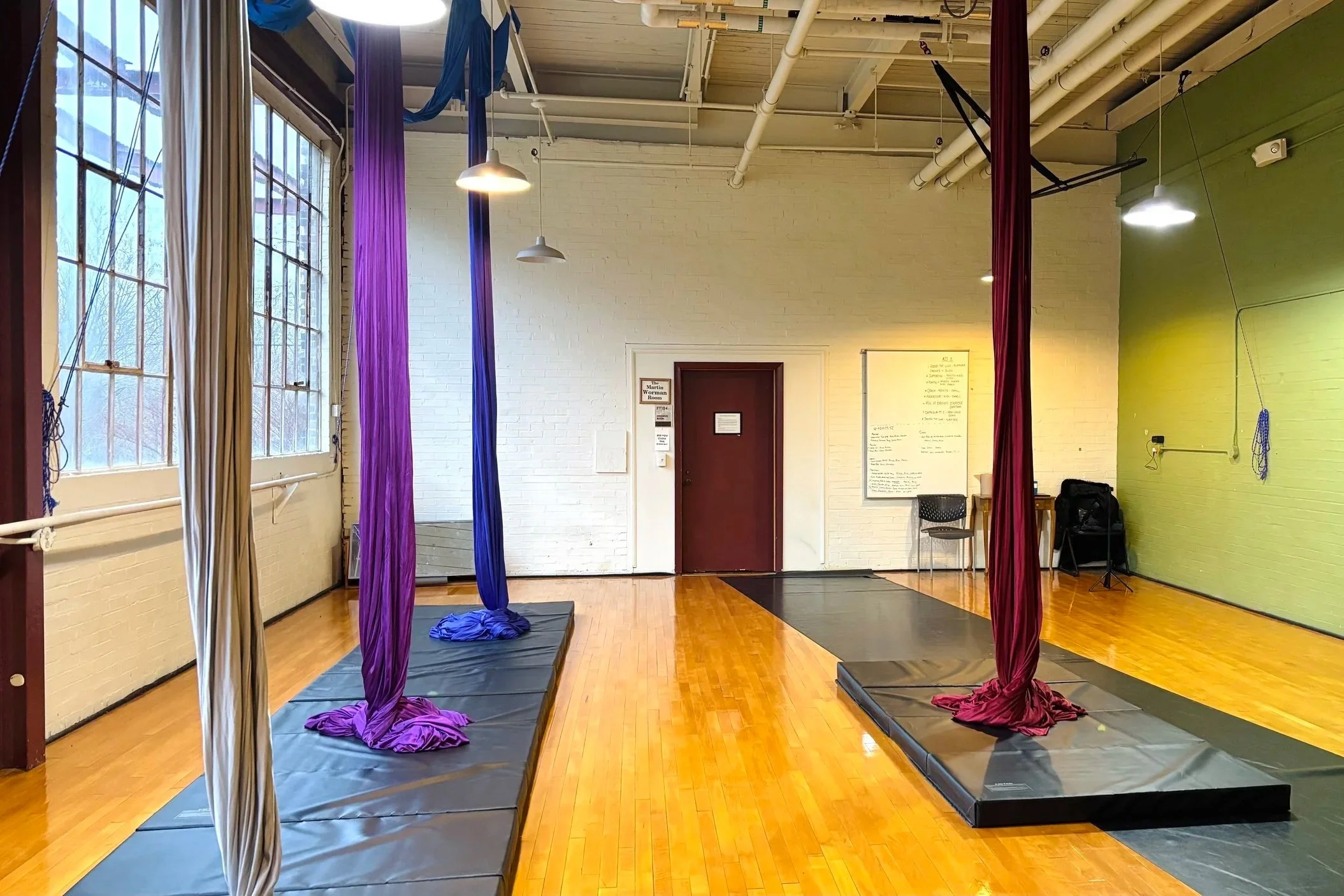
Studio safety at GravityWorks:
Every class, rehearsal, and training session is guided by clear safety protocols designed to support responsible learning, injury prevention, and long-term progress.
Through thoughtful instruction, ongoing education, and consistent safety practices, we strive to create an environment where students can train with confidence, curiosity, and care.
Take a moment to also go through our Student Policies page for more information on student and instructor conduct and requirements to make everyone feel safe.
-
Students are guided through proper warm-ups before training on any apparatus.
-
Techniques are introduced and understood on the ground before being taken into the air to reduce injury risk.
-
Skills are taught using a structured curriculum that emphasizes safe, level-appropriate progression for each student.
-
Students are encouraged to listen to their bodies and are never required to perform a skill they are uncomfortable with.
-
No walking or standing underneath someone who is training in the air
No student-to-student teaching—only instructors provide guidance
-
A rated crash mat is always placed under any aerial apparatus while in use.
-
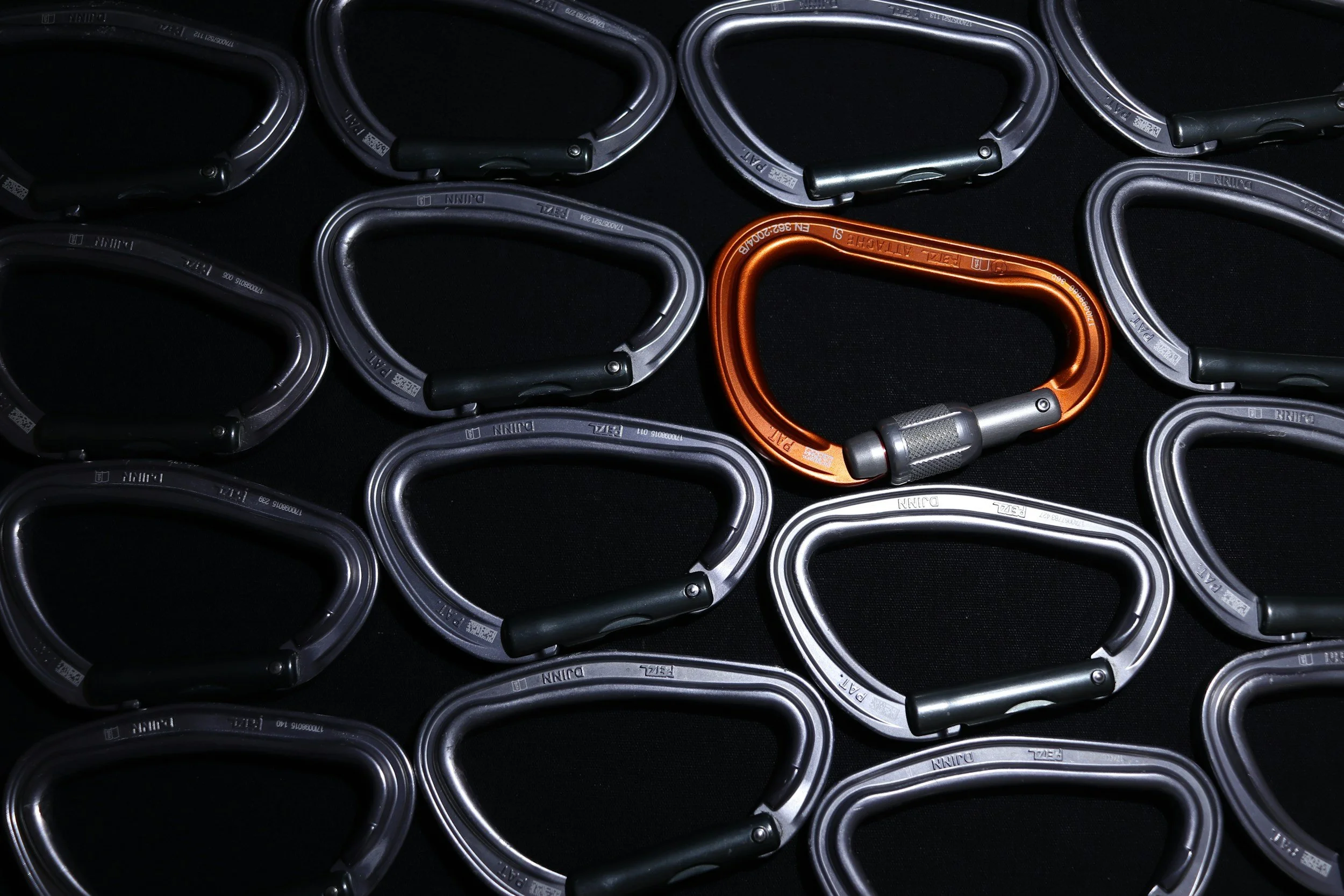
We source all apparatus and hardware from reputable suppliers and use equipment rated for human load, including products from the professional circus, theater, and rock-climbing industries.
-
ll aerial equipment and hardware are inspected quarterly, with each inspection documented in an official inspection log.
-
Our instructors bring years of aerial rigging experience from professional productions dating back to 2010 and continue to stay current through ongoing rigging education, including courses with NECCA and Craig Lewis (Night Owl Circus). We also remain actively engaged with industry best practices through the Aerial Safety professional community.
Rigging at Home: Important Safety Considerations
It’s common for students to ask about setting up aerial equipment at home, and we appreciate that these questions usually come from a genuine concern for safety. However, experienced aerialists and professional riggers consistently agree on the following points:
Home aerial training is not recommended for beginners. Your instructor can guide you toward appropriate strength and conditioning exercises for your current level.
Installing rigging points in a home environment is strongly discouraged.
The safest option for home use is a professionally manufactured, load-rated, free-standing aerial rig.
Below are the main reasons why home rigging is not advised.
-
Proper rigging requires technical training. This includes understanding dynamic forces, selecting appropriate hardware, installing equipment correctly, and maintaining it over time. Beginners typically do not yet have the experience needed to assess these risks accurately.
-
Aerial work places significantly more force on a rigging point than your static body weight. Even gentle movements create dynamic loads that repeatedly exceed your weight.
A simple example: when stepping onto a scale, the needle briefly spikes above your actual weight before settling. That same effect happens every time you move on an apparatus—except the force transfers directly into the structure supporting you. Over time, repeated loading can loosen or weaken unsafe installations.
-
Door frames and molding are not designed to support suspended loads. They are typically decorative and attached with small nails, which can easily fail under dynamic force. Additionally, doorways do not provide sufficient height or space for safe aerial movement.
-
Mounting equipment to a ceiling should only be considered after consultation with a structural engineer and professional rigger.
Residential ceilings are designed to carry weight above them, not loads hanging below.
Drilling into beams can weaken their structural integrity.
Exposed beams are often decorative and not load-bearing.
Most homes do not have adequate ceiling height for safe aerial practice.
-
Attaching rigging points to walls is dangerous without professional guidance:
Screw-in bolts can tear out of materials like brick, masonry, or concrete.
Walls are designed to bear vertical loads, not outward or suspended forces.
Hollow concrete blocks and similar materials are not strong enough for aerial use.
Only solid poured concrete may be suitable, and only with properly installed, professional-grade fasteners.
-
Even if professionals are involved, most homeowner or renter insurance policies do not cover aerial activity or structural modifications for suspension training. Renters are especially unlikely to have coverage for such changes.
-
Many products sold online or at hardware stores are not rated for human suspension. Counterfeit and untested equipment is common.
Aerial equipment must be load-rated, meaning it has been tested and certified to withstand forces far beyond body weight. Industry standards typically require hardware to be rated at 10 times the working load.
For example:
A person weighing 100 kg (220 lbs) should use equipment rated for 1,000 kg (2,200 lbs) or higher.
Many professional carabiners and swivels are rated to 22 kN or more.
-
Regardless of style, gravity behaves the same way. Hanging the body—even briefly—creates dynamic force.
While aerial yoga and circus aerial arts come from different traditions, both require respect for physics and safety. Over-the-door rigs and non-rated ceiling mounts are unsafe for any form of suspension training.
One experienced rigger summarized it well:
“Until you can confidently execute everything without instructor guidance, you’re not ready to train solo. With aerial work, the consequences of failure can be catastrophic.”
American Circus Education (ACE) : on Rigging at Home
At GravityWorks, safety is at the core of everything we do. We follow best practices established by trusted leaders in the circus arts community, including the American Circus Education (ACE) Safety Network.
The ACE Safety Network is a collective of experienced circus educators, riggers, and industry professionals dedicated to advancing safety standards in circus training and performance. Their work focuses on education, injury prevention, and informed decision-making—especially when it comes to rigging and training environments.
ACE strongly advises that rigging at home should be approached with extreme caution. Improper installation, untested equipment, and a lack of professional assessment can create serious safety risks, particularly for beginners. Before considering any home rigging setup, ACE encourages individuals to fully understand the forces involved, the limitations of residential structures, and the importance of using professionally rated equipment.
We highly recommend reviewing ACE’s resource, “10 Considerations Before Rigging at Home,” which outlines essential safety factors to think through before attempting any aerial setup outside of a professional studio.
SO WHAT IS SAFE FOR HOME USE?
There are only two widely accepted options:
A professionally manufactured, load-rated, free-standing aerial rig from a reputable company, or
Hiring a structural engineer and professional rigger to assess and install a permanent rigging point—keeping in mind this may void insurance and is rarely an option for renters.
OUR RECOMMENDATION
If you’re eager to train outside of class, we encourage:
Attending additional studio classes or open training times
Working on ground-based conditioning at home
Investing in a professionally rated portable rig if appropriate
Your safety always comes first. When in doubt, ask—we’re here to help guide you safely through your aerial journey.
Let us know if you have any questions on safety or whether at our studio or at home and we are happy to help you fly safely!